It Started as a Notebook
A year ago, my Obsidian vault was a dumping ground. Links I never followed. Notes I never read. A digital attic where ideas went to gather dust. I treated it like a second brain — but a second brain that only worked if I remembered to ask it questions. And I rarely did.
Then I connected my AI agent to it. And everything changed.
Not because the AI was smart — but because the loop was powerful. Every night, Hermes scans the vault, finds connections I missed, identifies knowledge gaps, researches them, and writes new wiki pages. By morning, my vault is larger, more connected, and more useful than I left it. The compounding effect is real.
The Shift: From Passive to Active
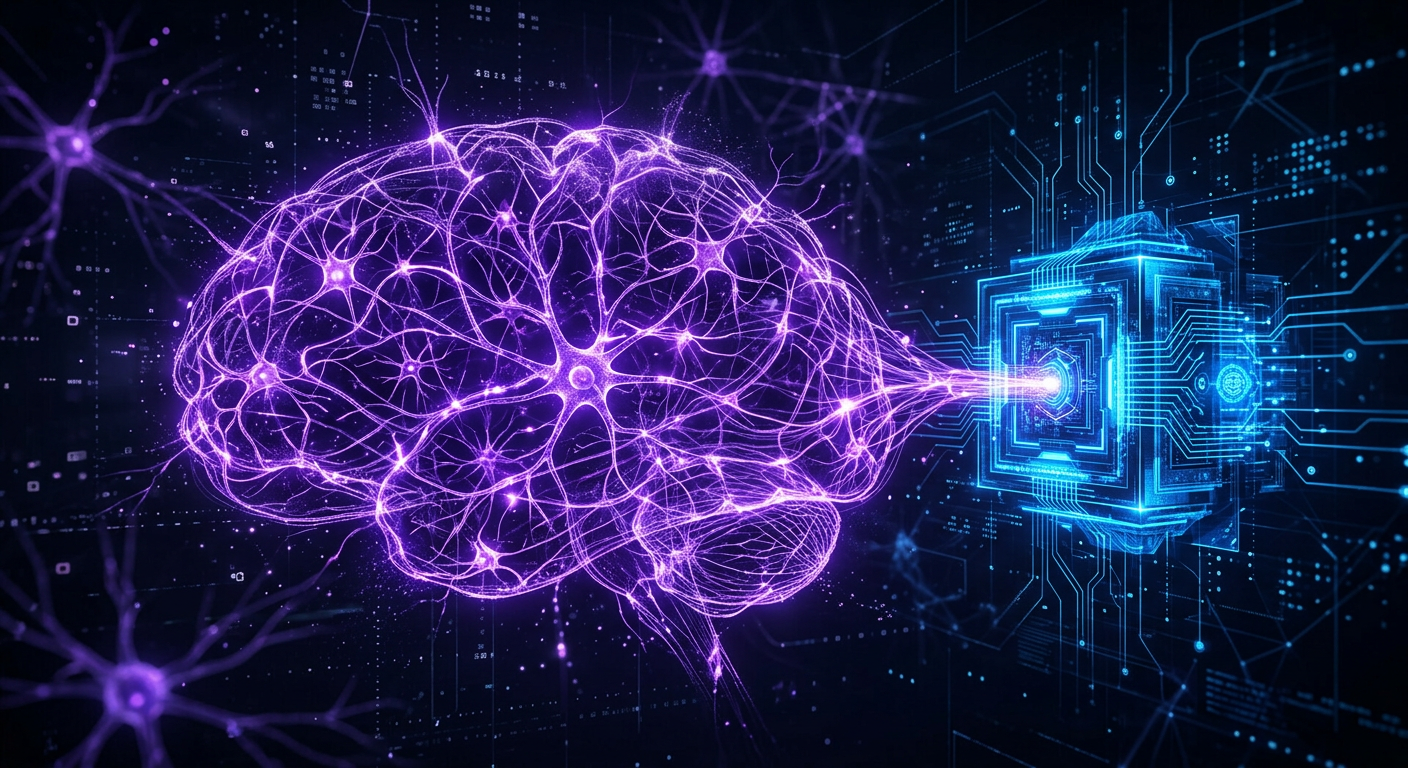
A second brain is passive. You dump information in, query it later, and hope you remember what you stored. A central nervous system is active — it pulls data from the outside world, processes it into insights, and makes those insights available to every agent in your ecosystem.
That shift happened when I connected three things:
- Agent Reach — my routing layer that sends the right tool to YouTube, Reddit, GitHub, and X
- The vault feedback loop — a nightly cron that connects ideas, finds patterns, and writes synthesis reports
- MCP (Model Context Protocol) — the open standard that lets AI agents talk to data through one interface
Alone, each is useful. Together, they form something I didn’t expect: a shared intelligence layer for my entire homelab. Every agent — whether it’s Fred doing dev work or Alice handling research — reads from the same growing knowledge pool.
The Industry Caught Up
In June 2026, I compiled research on AI Agent Memory Systems — surveys from SkillGen, Zylos, Mem0 benchmarks, Red Hat’s Emerging Tech team. Every single source reached the same conclusion: persistent memory is the single biggest infrastructure bottleneck for AI agents.
Not model size. Not context window length. The ability of agents to remember who you are, what you did together, and why it matters.
The vault has all three memory layers that the industry is scrambling to build:
- Episodic recall — session logs, daily journals, conversation history
- Semantic memory — 182 wiki pages, linked and growing
- Identity persistence — User-Memory-John.md, Mem0 with Qdrant + Neo4j, night synthesis
I didn’t plan this. I just kept connecting things and never stopped.
The Real Lesson
The magic isn’t the tool. It never was. Obsidian is great, Hermes is impressive, MCP is clever — but the real magic is the loop. Not what a vault can store, but what happens when you connect it to an agent that reads what you wrote, finds what’s missing, fills it in, and repeats.
I have 42 cron jobs running every day. Health monitors, research aggregators, clipping processors, blog publishers, night synthesis engines. I never decided to build a 42-job system. Each job made sense in isolation. The system built itself.
That’s what persistent memory does. It compounds. There is no ceiling — because the agent retains context across days, not within a single chat window.
What about you? Have you connected your notes to an AI agent yet? Or are you still treating your vault like a digital attic?
Source: ai-podium.com — John’s personal vault and Hermes Agent ecosystem
Wat vond je van dit bericht?
